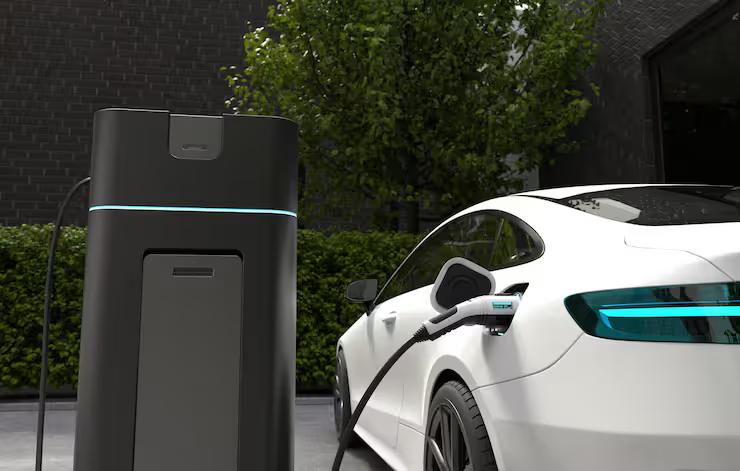
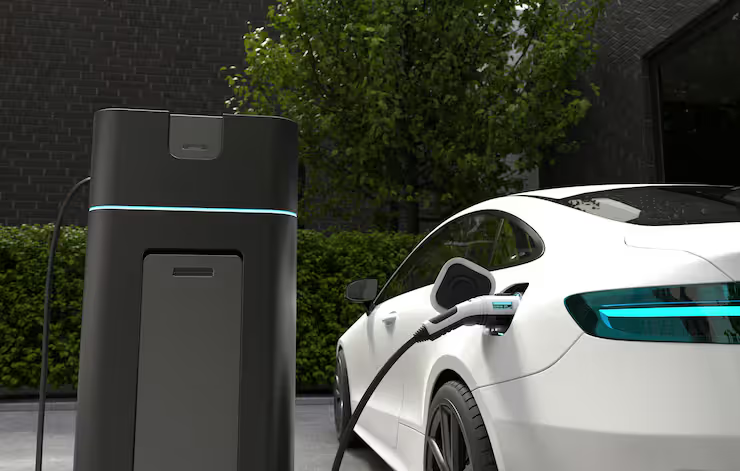
Electric vehicle charging equipment refers to the hardware and digital systems that supply electricity to electric vehicles. This includes home charging units, public charging infrastructure, high-power DC fast charging technology, connectors, cables, and software platforms used for monitoring and energy optimization.
The rapid adoption of electric mobility created the need for dependable EV charging infrastructure, ensuring vehicles remain practical for everyday travel. Modern charging equipment supports multiple charging levels, intelligent load balancing, battery management integration, and renewable energy compatibility.
High CPC keywords often associated with this topic include:
-
EV charging infrastructure
-
Electric vehicle charging stations
-
Fast EV charging technology
-
Smart EV charging solutions
-
High-power charging equipment
-
DC fast charging network
-
Vehicle-to-grid technology
-
EV fleet charging management
-
Battery management systems
-
Renewable energy integration EV
These technologies collectively support cleaner transportation systems and energy efficiency strategies.
Why EV Charging Equipment Matters Today
The expansion of electric mobility affects transportation, energy management, urban planning, and environmental sustainability. Reliable electric vehicle charging stations help drivers travel confidently without range concerns while supporting national emission-reduction targets.
Key impacts include:
-
Reduced dependence on fossil fuels
-
Lower tailpipe emissions in cities
-
Integration with renewable electricity generation
-
Development of advanced battery management systems
-
Digital innovation through smart EV charging solutions
Businesses managing electric fleets, municipalities planning public infrastructure, and residential users all rely on dependable charging technology. Efficient EV fleet charging management improves operational planning and energy optimization.
Another important aspect is grid stability. Vehicle-to-grid technology allows stored battery energy to support the power grid during peak demand, creating a dynamic relationship between mobility and energy systems.
Recent Developments and Industry Trends
Electric vehicle charging technology continues evolving quickly. Over the past year, several notable trends have shaped the industry globally.
Ultra-fast charging expansion (2025):
High-power charging equipment exceeding 300 kW has become more common. These systems reduce charging time significantly for compatible vehicles.
Smart charging and AI integration:
Advanced analytics help optimize charging schedules, reduce grid strain, and improve energy efficiency.
Wireless charging pilots:
Inductive charging pads embedded in parking spaces or roads are being tested in multiple regions.
Renewable energy integration EV systems:
Solar-linked charging stations and battery storage combinations are gaining attention for sustainable infrastructure planning.
Standardization improvements:
Connector compatibility and digital payment interoperability continue improving, simplifying charging access across networks.
Example EV Charging Levels Comparison
| Charging Level | Typical Power Range | Charging Time Range | Common Use Case |
|---|---|---|---|
| Level 1 AC | 1–3 kW | Slow overnight charging | Residential settings |
| Level 2 AC | 7–22 kW | Moderate daily charging | Homes, workplaces |
| DC Fast Charging | 50–350+ kW | Rapid top-up charging | Highways, public hubs |
These developments collectively improve convenience, reliability, and energy efficiency.
Policies, Standards, and Government Programs in India
Electric mobility growth in India is supported by several regulatory frameworks and government initiatives aimed at accelerating infrastructure deployment.
FAME II Scheme (Faster Adoption and Manufacturing of Electric Vehicles):
Encourages EV adoption through incentives and infrastructure development support.
State EV policies:
States such as Gujarat, Maharashtra, and Delhi promote charging infrastructure expansion through policy incentives and planning support.
Bureau of Indian Standards (BIS) guidelines:
Define safety requirements, connector standards, and electrical compliance for EV charging equipment.
National Electric Mobility Mission Plan:
Focuses on reducing emissions and strengthening domestic electric mobility capabilities.
These frameworks encourage standardized deployment while supporting sustainable energy integration.
Helpful Tools and Resources
Professionals and enthusiasts working with electric vehicle charging infrastructure often rely on specialized digital tools and information platforms.
Common resources include:
-
Charging station locator apps for route planning
-
EV charging load calculators for infrastructure design
-
Battery management simulation tools
-
Energy consumption monitoring dashboards
-
Grid integration modeling platforms
-
Technical standards documentation portals
-
Open data platforms for charging infrastructure research
These tools support infrastructure planning, system optimization, and informed decision-making.
Sample Charging Efficiency Factors
| Factor | Impact on Charging Performance |
|---|---|
| Battery temperature | Influences charging speed |
| Charger power rating | Determines maximum energy flow |
| Vehicle compatibility | Affects achievable charging rate |
| Grid stability | Impacts consistent operation |
| Software optimization | Enhances energy efficiency |
Understanding these variables helps maximize performance and safety.
Frequently Asked Questions
What types of EV charging equipment exist?
Charging equipment generally includes Level 1 AC chargers, Level 2 AC chargers, and DC fast charging systems. Each varies in power capacity, charging speed, and intended use environment.
How does smart EV charging work?
Smart EV charging solutions use software, connectivity, and analytics to optimize charging schedules, monitor energy use, and support grid stability.
Is renewable energy compatible with EV charging infrastructure?
Yes. Solar and wind energy integration with charging systems is increasing, supporting sustainable mobility goals and reducing environmental impact.
What is vehicle-to-grid technology?
Vehicle-to-grid technology enables electric vehicles to supply stored electricity back to the grid during peak demand periods, improving energy resilience.
Are charging standards uniform globally?
Standards vary by region, though increasing international collaboration aims to improve compatibility and interoperability across networks.
Conclusion
Electric vehicle charging equipment forms the backbone of modern electric mobility. From residential charging units to high-power DC fast charging networks, this technology ensures reliable transportation while supporting environmental goals.
Advances in smart EV charging solutions, battery management systems, renewable energy integration EV strategies, and vehicle-to-grid technology continue shaping the future of mobility. Governments, industries, and communities increasingly recognize the importance of dependable EV charging infrastructure for sustainable urban development.
As electric mobility evolves, continued innovation, policy support, and infrastructure planning will remain essential. Understanding charging technology fundamentals helps individuals, planners, and organizations participate confidently in this growing transformation toward cleaner transportation systems.