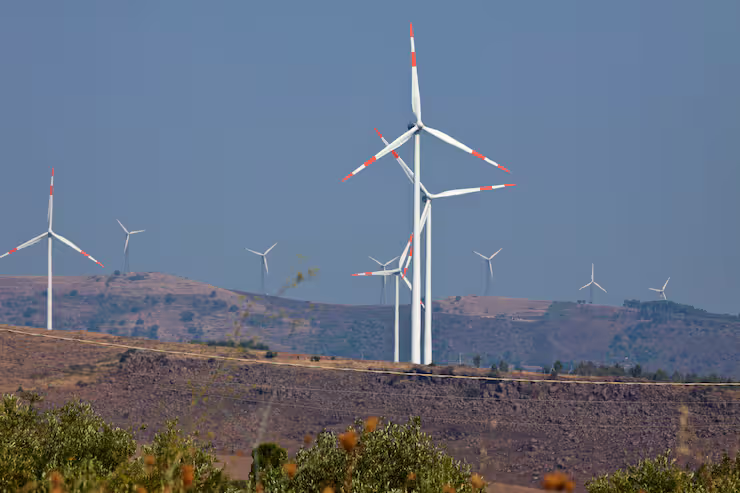
Wind energy converters (WECs), commonly called wind turbines, transform kinetic energy from moving air into electrical energy through aerodynamic blades, mechanical rotation, and generator systems. Their development stems from the global pursuit of sustainable electricity generation, reduced carbon emissions, and diversified energy infrastructure.
Historically, windmills supported irrigation and grain processing. Modern wind converters incorporate advanced materials, digital monitoring systems, and optimized blade aerodynamics to improve power output and grid stability. These systems can be deployed onshore or offshore, each environment presenting distinct engineering considerations.
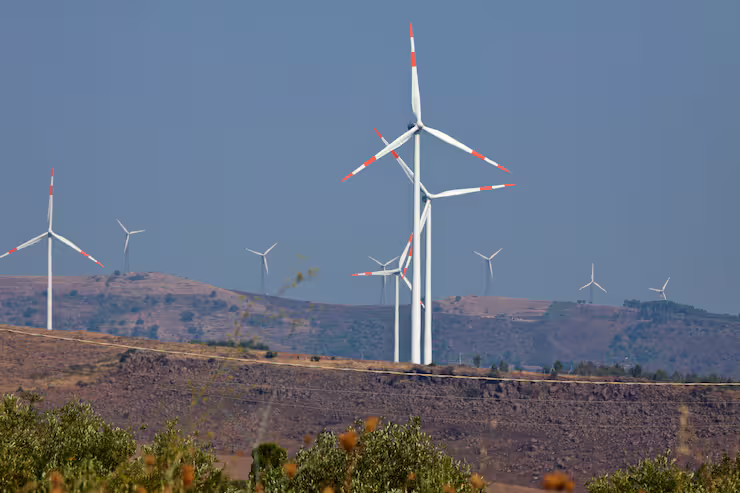
Wind energy technology continues evolving alongside climate targets, renewable energy investment trends, and technological innovation in grid integration. As electricity demand increases worldwide, wind converters form a significant part of clean energy transition strategies.
Importance in Today’s Energy Landscape
Wind energy converters play a strategic role in modern electricity systems. Their environmental benefits and scalability support national sustainability goals while reducing reliance on fossil fuel-based generation.
Key reasons for growing relevance include:
-
Reduction of greenhouse gas emissions linked to conventional energy production
-
Diversification of national energy portfolios for improved resilience
-
Support for sustainable infrastructure development
-
Alignment with corporate ESG (Environmental, Social, Governance) priorities
-
Integration with smart grids and digital energy monitoring platforms
Industries influenced by wind energy technology include utilities, infrastructure planning, climate research, environmental policy, and financial sectors focused on renewable energy investment insights. Communities near wind installations also experience infrastructure development and environmental monitoring initiatives.
Typical Wind Converter Performance Indicators
| Parameter | Typical Range | Importance |
|---|---|---|
| Capacity Factor | 25–55% | Indicates turbine productivity |
| Rotor Diameter | 40–170 m | Influences energy capture |
| Hub Height | 60–150 m | Accesses stronger winds |
| Rated Power | 1–15 MW | Defines generation scale |
| Efficiency Range | 35–50% | Reflects conversion effectiveness |
These metrics help analysts evaluate clean energy infrastructure potential and long-term sustainability outcomes.
Recent Developments and Industry Trends
Over the past year, wind energy technology has seen continued innovation across materials science, digital monitoring, and offshore deployment strategies. Several trends have shaped the sector:
-
2025 offshore expansion: Multiple large-scale offshore wind projects progressed globally, reflecting stronger interest in coastal renewable infrastructure.
-
AI-driven turbine optimization (2024–2025): Predictive maintenance software improved turbine reliability through real-time analytics.
-
Grid integration advancements: Hybrid systems combining wind, solar, and energy storage improved power stability.
-
Sustainable materials research: Blade recyclability initiatives gained attention due to environmental lifecycle considerations.
-
Floating turbine technology: Demonstration projects enabled wind harvesting in deeper waters.
Global Wind Capacity Growth Snapshot
| Year | Estimated Global Capacity (GW) | Trend |
|---|---|---|
| 2023 | ~906 | Strong expansion |
| 2024 | ~960 | Continued installations |
| 2025 | ~1020+ | Offshore acceleration |
These developments highlight how renewable energy technology continues aligning with decarbonization policies and sustainable power generation priorities.
Regulatory Frameworks and Government Initiatives (India Focus)
Wind energy converters operate within structured regulatory environments designed to ensure safety, environmental compliance, and energy reliability. In India, several policies influence wind power development:
-
National renewable energy targets encourage increased clean energy generation capacity.
-
Grid integration guidelines support stable electricity transmission.
-
Environmental clearance requirements address biodiversity and land use impacts.
-
State-level renewable purchase obligations encourage electricity distributors to include renewable sources.
-
Hybrid renewable energy policies promote integration of wind with solar installations.
Government initiatives have encouraged technological innovation, infrastructure planning, and investment transparency within the renewable energy sector. Compliance with regulatory frameworks helps maintain operational reliability and environmental sustainability.
Tools and Knowledge Resources for Wind Energy Understanding
Professionals, researchers, and students often rely on specialized digital tools and informational platforms to analyze wind energy systems. These resources support data interpretation, performance forecasting, and environmental assessment.
Commonly referenced resources include:
-
Wind speed simulation software for site analysis
-
Renewable energy data dashboards from international energy agencies
-
Turbine performance modeling tools
-
Climate and atmospheric datasets
-
Grid integration research publications
-
Environmental impact assessment templates
These resources enhance technical understanding of wind turbine efficiency, clean energy infrastructure planning, and sustainable electricity generation strategies.
Example Wind Resource Assessment Indicators
| Indicator | Purpose |
|---|---|
| Average Wind Speed | Determines site viability |
| Turbulence Intensity | Affects turbine lifespan |
| Wind Direction Variability | Influences turbine orientation |
| Seasonal Patterns | Helps forecast energy output |
| Terrain Roughness | Impacts wind flow behavior |
Such analytical inputs guide engineering decisions and environmental planning without promotional claims.
Frequently Asked Questions About Wind Energy Converters
What is a wind energy converter?
A wind energy converter is a turbine system that converts wind kinetic energy into electricity using rotating blades connected to a generator.
How efficient are modern wind turbines?
Efficiency varies based on turbine design, wind conditions, and location. Typical conversion efficiency ranges between 35% and 50%.
Are wind turbines environmentally sustainable?
They significantly reduce greenhouse gas emissions compared with fossil fuel generation, though environmental assessments consider land use, wildlife impact, and material lifecycle.
Can wind energy integrate with other renewable technologies?
Yes, hybrid systems combining wind, solar, and energy storage enhance grid reliability and support consistent electricity supply.
What factors influence wind turbine performance?
Wind speed consistency, turbine height, blade design, maintenance practices, and grid connectivity all affect performance.
Conclusion: The Expanding Role of Wind Energy Converters
Wind energy converters represent a cornerstone of modern renewable energy technology and global decarbonization strategies. Their evolution reflects advances in engineering, digital monitoring, environmental research, and sustainable infrastructure planning.
Growing emphasis on clean energy investment insights, climate resilience, and efficient power generation continues driving innovation in turbine design and deployment. Regulatory frameworks and research initiatives further support responsible adoption and operational reliability.
As energy systems transition toward lower carbon intensity, wind power remains a key contributor to sustainable electricity generation, environmental stewardship, and future-focused infrastructure development. Understanding its fundamentals, trends, and policy context helps stakeholders make informed decisions aligned with long-term sustainability goals.